





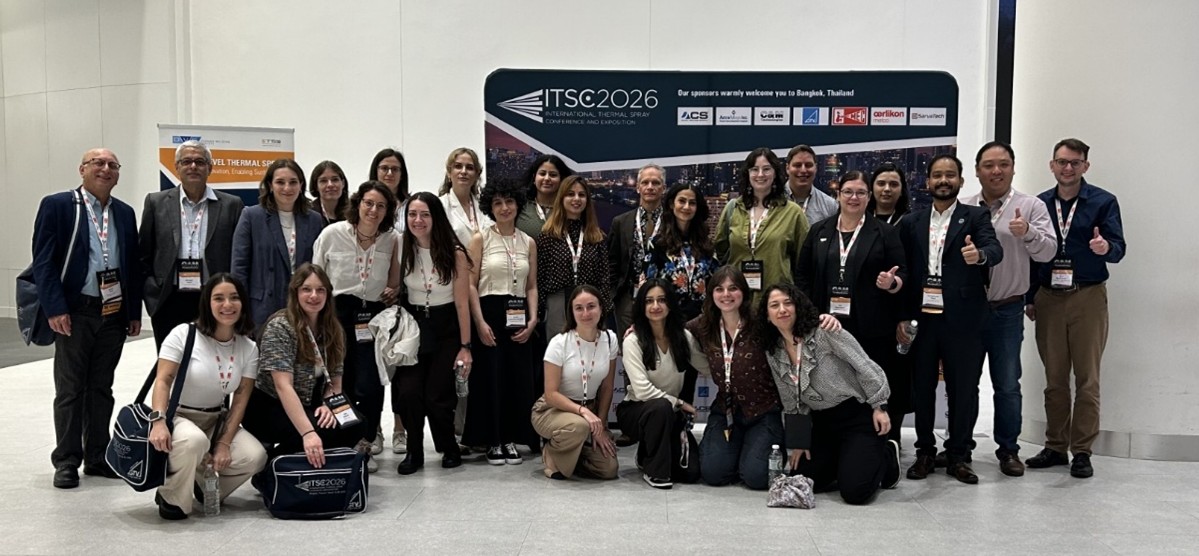
 On International Women’s Day, the MADECOLD consortium proudly celebrates the women whose leadership and scientific excellence continue to shape the future of materials research. Among them, Prof. Sara Bagherifard stands as a key contributor. Her scientific contributions support MADECOLD’s mission to explore innovative, sustainable approaches to cold spray‑based processing technology…Read More
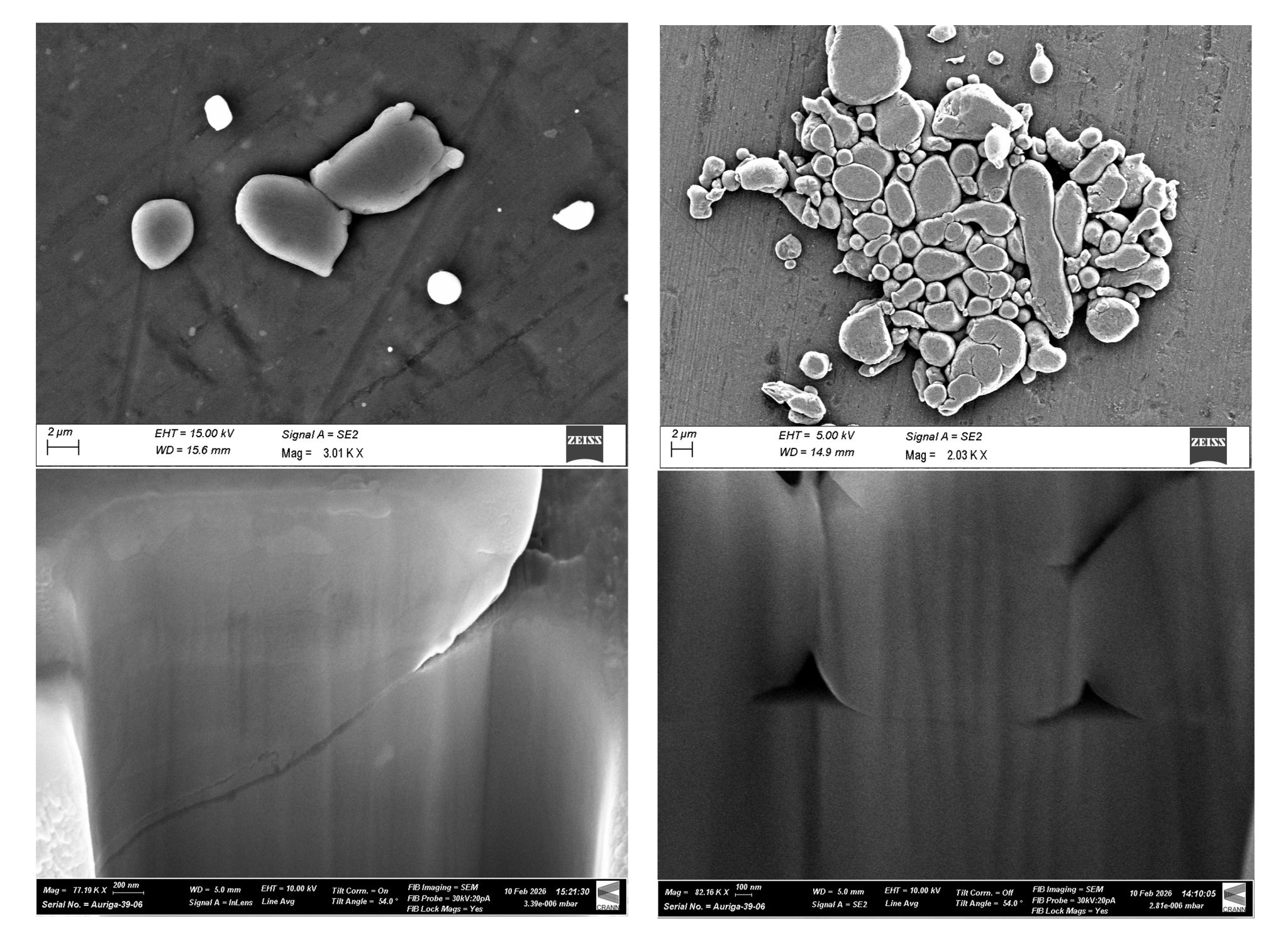
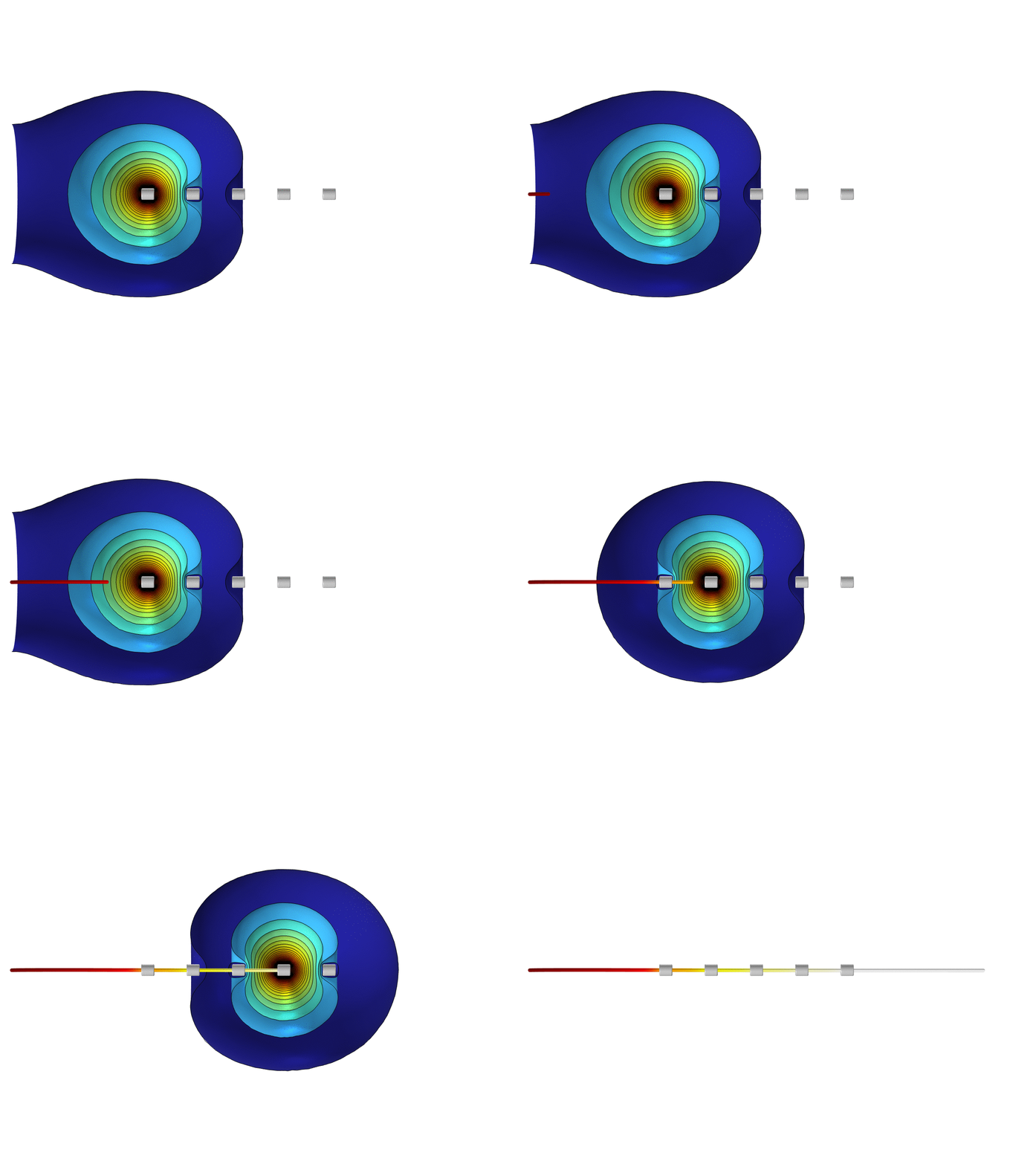
Thrilled to share that MADECOLD has achieved its first successful deposition of single‑ and multi‑layer aluminum particles using an electrostatic acceleration method.
This marks an important step toward bringing …Read More
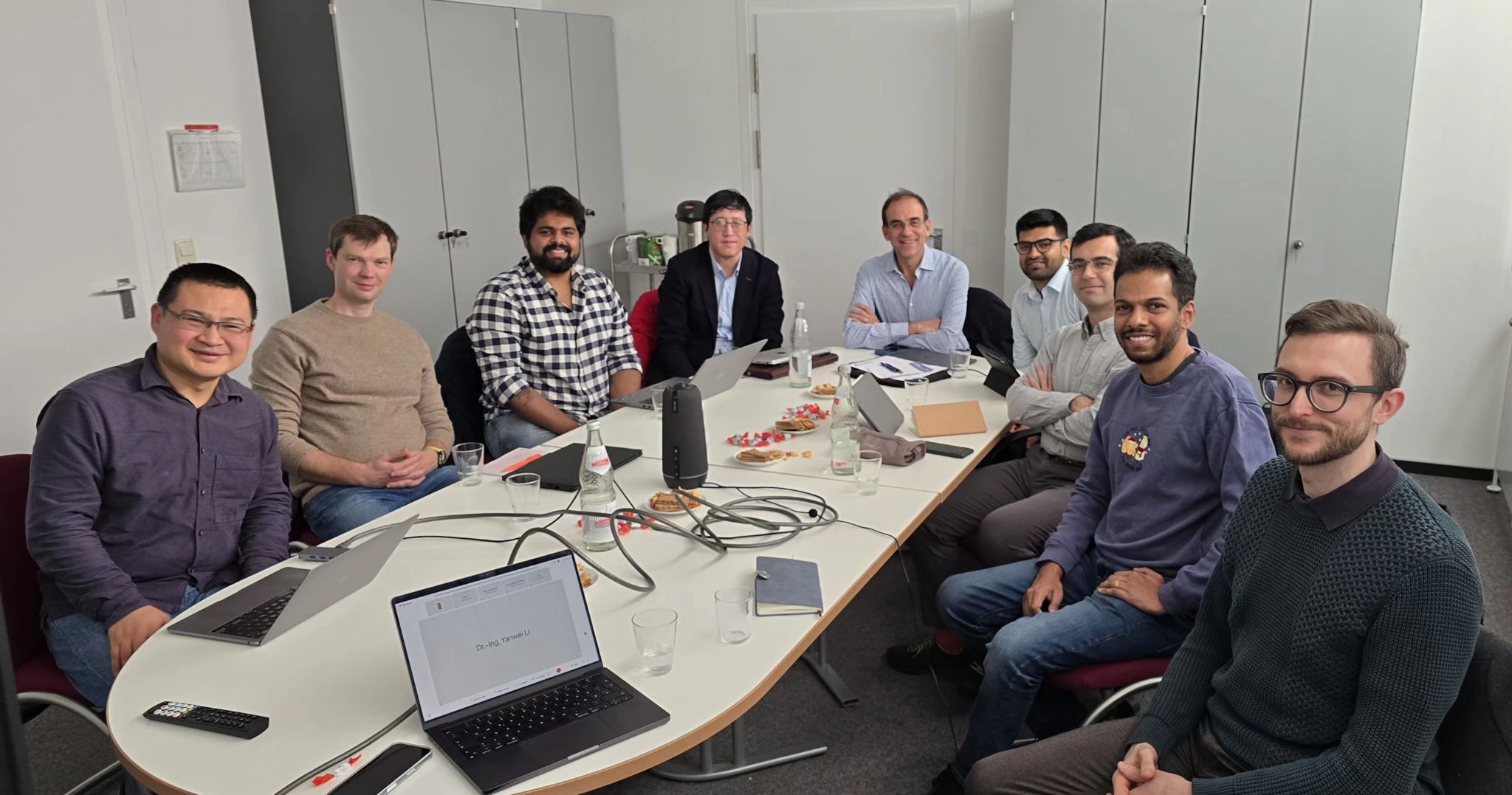 Exciting progress at the MADECOLD project!
On 2nd December 2025, consortium members gathered at the University of Stuttgart to discuss the latest developments in WP3 and to review the ongoing work on the LINAC (particle accelerator) system and Gate Control for LINAC….Read More
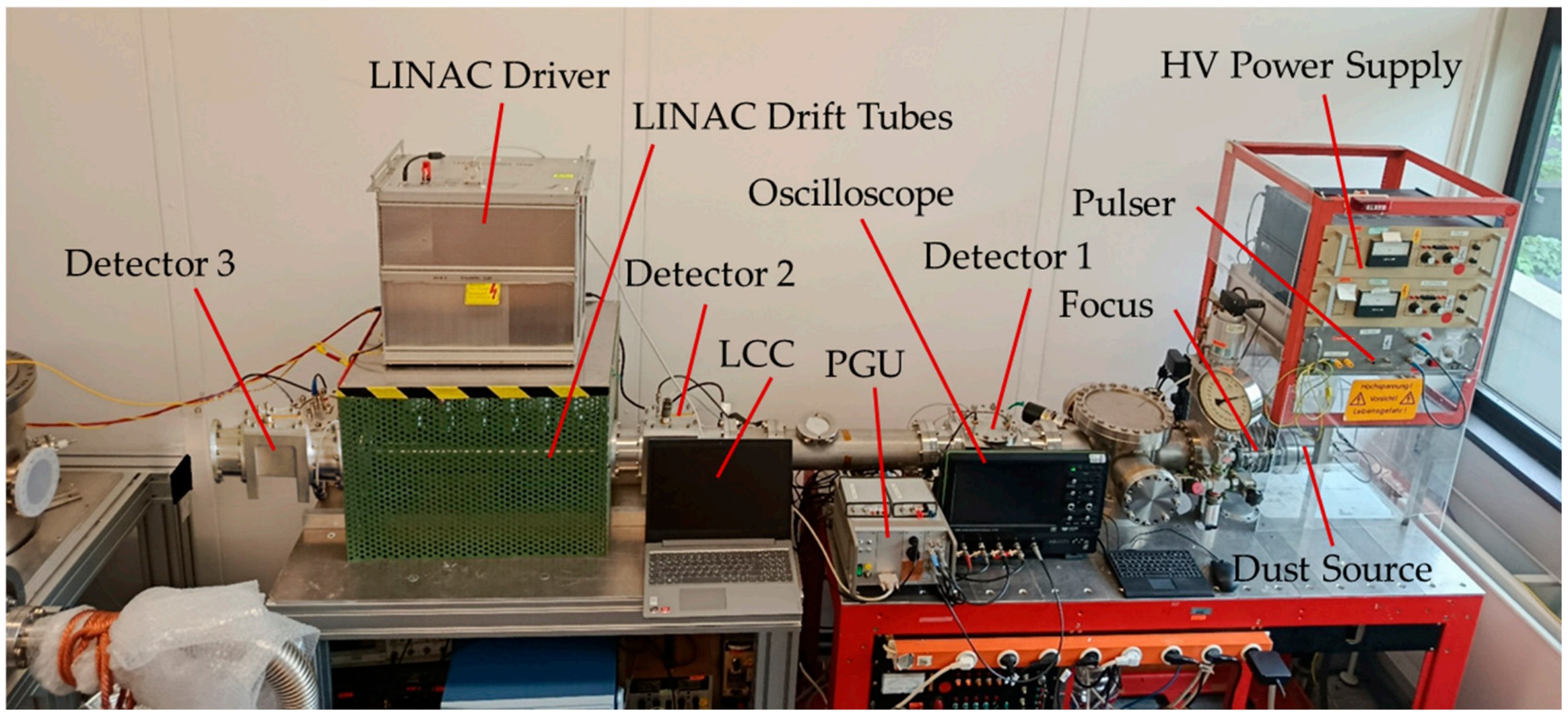
Our project partners at the University of Stuttgart have published an important new study in Applied Sciences titled “A Small Linear Accelerator for Charged Microparticles.” The work presents a newly developed 6‑stage, 120 kV electrostatic linear accelerator designed to accelerate micron‑sized particles to precisely controlled speeds…Read More
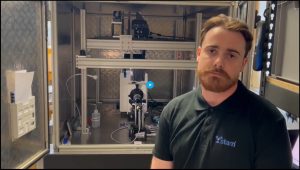 Our research team at Trinity College Dublin has built a groundbreaking device called Laser Ablation Particle Acceleration and Observation (LAPAO) machine, which is capable of firing microscopic particles at speeds up to 1 km/s, around three times faster than a bullet. For the first time in Europe, researchers can now visually observe what happens when 10–60 μm particles strike a surface at such extreme velocities.
LAPAO uses a high‑power laser to launch the particles and a high‑speed camera capturing one billion frames per second to record whether they stick, bounce, deform, or shatter upon impact. This information is crucial for improving cold spray, an advanced manufacturing technique used to build or repair metal components without melting them.…Read More
 Monil Mihirbhai Thakkar, PhD student at Politecnico di Milano, presented his latest research at the Transcom 2025 Conference held from 21st to 23rd May 2025 in High Tatra Mountains, Slovakia. The presentation, titled “Metal Particle Acceleration To Supersonic Speed: Numerical Simulation And Preliminary Results”, showcased feasibility of LINAC-based particle acceleration and bonding…Read More
Thanks to the opportunity offered by the Hop-On call HORIZON-WIDERA-2023-ACCESS-06, the Centre for Physical Science and Technology (FTMC), Lithuania, is the new partner of the MADECOLD Consortium. FTMC was contacted considering the advanced knowledge and expertise in the design and manufacturing of micrometric channels with the desired length, respected the tight geometrical tolerance needed for the MADECOLD launcher. This is what we need for completin…Read More
 On February 4th, 2025, the Madecold consortium held its six-month (M6) Board and Management Meeting online. The researchers of the Consortium – Politecnico di Milano, University College Dublin, Trinity College Dublin and the University of Stuttgart came together to review progress and align on the next phase of this EU-funded project focused on the innovative electric-field assisted solid state deposition process.
The meeting opened with remarks from Project Coordinator Professor Mario Guagliano, followed by work package updates from each team. Progress was reported across technical tasks, with key deliverables on track. Dr. Paulius Gecys from FMTS – a prospective Hop-On partner, outlined their proposed idea for the micro-channel milling….Read More
 Politecnico di Milano hosted kick-off meeting of the European Innovation Council-funded MADECOLD project. The meeting, held on June 18th, 2024, brought together an assembly of distinguished professors and researchers from some of Europe’s leading universities. The project, aimed at revolutionizing solid-state deposition through high-voltage electrostatic fields to accelerate and charge metal powder particles, has participation from University College Dublin, Trinity College Dublin, and the University of Stuttgart. The project aspires to enhance efficiency, reduce material consumption, and ensure the required accuracy for printing components…Read More